Installing a new air conditioner is more than a curbside exchange of metal and refrigerant. It is a short construction project inside your home, a coordination problem, and an investment that should last a decade or more. If you live in Wood River, IL, you know humidity and late-summer heat can make the wrong timing feel expensive. Proper preparation reduces surprises, shortens the crew’s time on site, and protects your floors, carpets, and budget. Below I walk through the practical steps I use with homeowners when scheduling AC installation, the decisions that matter, and how to work with a local HVAC contractor so the job runs smooth.
Why preparation matters here Wood River sits in a part of Illinois where summer humidity often follows heat spells. That means the load calculations matter, ductwork age matters, and installation haste can create comfort problems that show up the first week the unit runs. A sloppy install can lead to airflow imbalances, noisy operation, or reduced efficiency that costs hundreds a year in utility bills. Plan well and you buy cleaner air, quieter operation, and lower energy bills. Poor preparation costs time and money.
Schedule and timing: pick the right window Installers get busiest from late spring through mid-summer. If you wait until your old unit fails during a heatwave, you will face premium emergency AC repair near me calls and limited scheduling choices. Call several local contractors early in the season, including B & W Heating & Cooling if you prefer a firm with local references, to book an installation date. If you can, target a weekday early in the week; crews tend to move faster when they can finish a job and avoid weekend overtime.
A realistic timeline looks like this: site visit and quote within a week of your first call, permit and materials ordered within two weeks, and install scheduled within another one to three weeks depending on backlog. Older homes or jobs requiring new ductwork will push that timeline longer. Consider temporary measures if you need more time: window units placed strategically can protect fragile patients and pets during hot spells.
Clear the workspace and protect your home On installation day, the crew needs clear access to the outdoor condenser and the indoor air handler or furnace. That means moving vehicles from the driveway, trimming branches that block the condenser, and clearing a path between exterior and interior work zones. Indoors, clear a two to three foot radius around the furnace, air handler, and return registers. Remove fragile items, houseplants, and anything you value off the floor near the installers’ route. Installers bring tools, ladders, and often a generator or wheelbarrow. You will appreciate fewer accidental scrapes and a faster job.
Protecting floors and carpets is not optional. Ask the contractor whether their crew uses floor protection. Most professional HVAC companies will lay down rosin paper, drop cloths, or runners to prevent grease, dust, and tool marks in homes. If you own a historic house with wood floors, insist on protective covering and point out any spots needing extra care. Photographs of sensitive areas help. Having a single homeowner point person on site keeps decisions quick and avoids back-and-forth delays.
Know what the crew will need from you Installers need access to the electrical panel, the attic or crawlspace if ductwork will be modified, and a working water connection if they need to flush lines. If your electrical panel is full or old, an electrician may need to add a breaker or upgrade service. If the crew discovers AC Repair in Wood River IL undersized wiring, they cannot energize the new unit until the issue is corrected. That adds time and cost. Ask about electrical requirements before the installation day and arrange an electrician if required.
Also plan for a short walkthrough at job completion. Most crews will run the system, explain basic operation, and hand you warranty papers and maintenance tips. Bring a pen and a phone to record any serial numbers and take photos for your records.
Paperwork, permits, and warranties Most municipalities require an electrical permit for a new HVAC unit and sometimes a mechanical permit. Permits confirm safety standards and protect you as a homeowner. A reputable HVAC contractor will either pull permits for you or tell you precisely what is required. Verify whether the quoted price includes permits. If you prefer to handle permits yourself, ask for the permit numbers and the specific codes being applied so you can follow up.
Warranties vary. Typical manufacturer warranties cover the compressor and major components for 5 to 10 years, sometimes longer with registration. Labor warranties are separate and depend on the installer. If long-term peace of mind is important, compare labor warranty length and what actions void the warranty. Many contractors require proof of annual maintenance to keep warranties valid. Keep this paperwork in a dedicated folder and photograph it for cloud backup.
Preparing ducts and airflow Ductwork condition has more impact on comfort and efficiency than many homeowners realize. Leaky ducts can lose 10 to 30 percent of conditioned air before it reaches living spaces. If your system is over 15 years old, expect at least a partial duct inspection. Simple repairs such as sealing gaps with mastic and adding insulation in unconditioned spaces can dramatically improve performance. Sometimes a contractor will recommend a duct replacement or resizing. That adds cost but can be the difference between a unit that cycles constantly and a system that maintains even temperatures.
If you suspect problems, ask for a duct leakage test. This will quantify loss and make the trade-offs clear. If you have pets or remodeling dust, consider a duct cleaning prior to installation so the new system starts with clean return air pathways.
Indoor air quality and filtration Deciding on filtration is both a health and comfort judgment. Higher MERV filters capture smaller particles, but they also increase static pressure, which can reduce airflow if the blower motor is not sized to compensate. Many modern systems can handle MERV 8 to 13 filters without issue, but some older blowers cannot. Talk to the contractor about upgrading the blower motor if you want high efficiency filtration. Consider adding a UV light in the coil area if you have persistent mold or biological growth, especially in high-humidity summers. For families with allergies, adding a HEPA-capable portable system in bedrooms during peak pollen season can be an inexpensive complement.
Concrete and pad work for the outdoor unit The outdoor condenser sits on a pad. Many installations use a pre-cast concrete pad, while others pour a small concrete slab. If the unit is heavy and the site is soft, a larger concrete slab reduces future settling and vibration. Placing the condenser slightly off the ground and on vibration isolators reduces noise transmitted through soil and siding. If the installer needs to remove an old pad, ask whether they will take it away or leave it for you.
If your yard slopes, you might need a retaining solution or a raised pad. Also allow space for future service. You want at least two to three feet of clearance on all sides, and more above for airflow. Avoid placing the condenser immediately under windows where noise or discharged warm air could be noticeable.
Electrical readiness and safety Most modern central AC units require a dedicated 240V circuit. Confirm whether your home panel has available capacity and the correct breaker size. If your electrical service is old and close to capacity, consider upgrading the panel at the same time as the AC replacement. It is often cheaper to do this during installation than to schedule an electrician later.
Installers should verify the ground and bonding at the disconnect. If your home uses knob-and-tube wiring or has other antiquated systems, installation may be delayed until an electrician clears the issue. Ask for the estimated amperage draw of the new unit and compare that to the panel ratings. A clear discussion now prevents a mid-job hold-up.
What to expect during installation day Installers will typically begin by removing the old condenser and air handler. They will cut refrigerant lines if the system is not being reclaimed and may recover refrigerant if required. The indoor coil area can get dusty. Expect some debris. The crew should vacuum and wipe down the installation site at the end of the day. Installation of the new lines, setting the condenser, connecting electrical, and charging the refrigerant are the core steps. After a vacuum test of the lines and proper refrigerant charge, the crew will start the system and measure temperatures across supply and return ducts to verify performance.
Anecdote from the field: I once worked with a homeowner who had scheduled an installation without checking the attic access. The crew found a narrow pull-down ladder that could not support tool loads. They needed an hour to create a temporary platform and deliver a sturdier ladder, which added to the bill because a second truck was called for a long ladder. Clear attic access saved time and money on subsequent jobs.
Questions to ask your HVAC contractor
- What size system do you recommend and what calculations support that choice? Who pulls permits and what inspections will be performed? What warranty covers labor, and what actions void it? Will you need an electrician or other trades on site, and who coordinates them?
These four questions cut through common misunderstandings. A contractor who answers with Manual J load calculations and specific permit steps demonstrates professionalism. Vague answers about sizing or a flat "we always install X ton" should raise concerns.
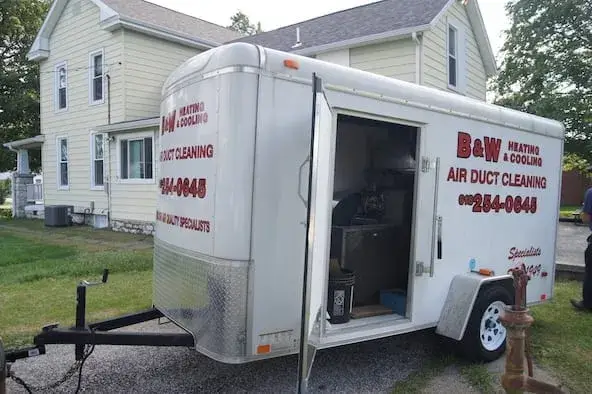
Working with local providers and finding the right fit Search terms like HVAC company near me, HVAC Service Near Me, or HVAC contractor will surface options. Read recent reviews and ask for references from local customers. Local firms understand the Illinois climate and likely have experience with permit offices in Madison County. If you need rapid help during a heatwave, locate those who advertise Emergency AC repair near me and verify their emergency response window. B & W Heating & Cooling is an example of a local firm that combines installation work with ongoing service plans. Ask about service contracts, discounted tune-ups, and their priority response for emergencies.
Costs and budgeting Budgeting for AC installation depends on system size, SEER rating, ductwork needs, and local labor. In Illinois, a full replacement for a typical 1,500 to 2,500 square foot home often ranges from mid four figures to low five figures. Upgrading ductwork or electrical panels adds to the cost. Higher SEER units cost more up front but can reduce energy bills by measurable amounts. For example, moving from a 13 SEER to a 16 SEER unit typically yields a double-digit percentage energy reduction in cooling seasons, though exact savings depend on usage and electricity rates. Treat the installation as a medium-term investment: a properly sized, well-installed system will repay its extra cost in comfort and lower repair frequency over several years.
After the install: first-week checklist Expect a couple of small adjustments in the first week. Thermostat programming may need tweaks, dampers adjusted, and minor re-sealing performed. Monitor indoor humidity and listen for unfamiliar noises. If you smell burning, shut the system off and call your installer. Keep a log of temperatures and any odd behavior so the crew can troubleshoot if needed.
Maintenance and long-term care Annual tune-ups extend life and protect warranties. Change filters every one to three months depending on type and home conditions. Keep outdoor coils free of debris and wash them gently in spring. For homes with high dust or pet hair, more frequent visits pay off. Consider a maintenance plan that includes seasonal checks and priority scheduling for emergency AC repair near me. Preventive care can prevent a mid-summer failure that forces a rapid replacement at a premium.
Final thoughts on decisions that matter The two most influential decisions you will make are sizing and installer selection. A correctly sized unit with good ductwork and a careful installer will deliver quiet, even cooling and predictable utility bills. Rushed decisions or price-only choices often lead to callbacks. If you want professional guidance AC Repair in Wood River IL B & W Heating & Cooling in Wood River, request a written scope, ask for a Manual J calculation, and choose a contractor who explains trade-offs plainly. With the right preparation, an AC installation can be fast, clean, and leave your home cooler without surprises.
B & W Heating & Cooling
3925 Blackburn Rd, Edwardsville, IL 62025
+1 (618) 254-0645
[email protected]
Website: https://www.bwheatcool.com/