Keeping a comfortable home in Wood River without emptying your wallet or the planet requires more than a summer fling with your thermostat. It demands a season-by-season approach, small investments that pay off in lower energy bills, fewer repairs, and equipment that lives longer. I manage systems and walk into homes where a little attention would have kept a perfectly good air conditioner from becoming an expensive emergency. The practices below are practical, testable, and tuned to our local climate and housing stock.
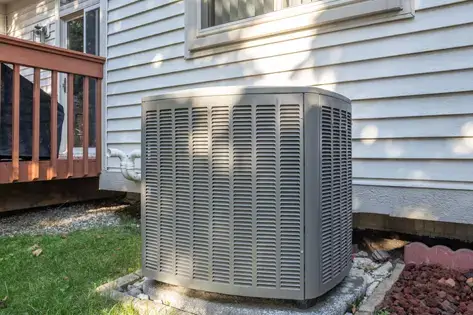
Why this matters Homes here face hot, humid summers and sudden temperature swings that stress cooling systems. A neglected unit can lose efficiency rapidly; a 5 to 15 percent rise in energy use over a few seasons is common when filters, coils, and airflow are ignored. That translates to tens or hundreds of dollars in wasted energy each year, plus a higher chance of component failure at the worst possible moment. Think of maintenance as preventive care for a system that consumes your second-largest utility bill after heating.
How maintenance reduces environmental impact Every kilowatt hour saved reduces fossil fuel demand, regardless of the local grid mix. A well-tuned central air conditioner uses 10 to 20 percent less energy than a poorly maintained one. That percentage matters: for an average Wood River household running central air 600 hours a season, a 15 percent efficiency gain can cut several hundred pounds of CO2 equivalent emissions and lower cost by a noticeable amount on the monthly statement. Beyond numbers, longer equipment life means fewer discarded compressors, printed circuit boards, and refrigerant-handling events, all of which carry environmental costs.
Seasonal rhythm that works in practice The most effective maintenance follows a simple seasonal rhythm, timed around peak demands and the realities of local technicians' schedules. Spring is the time to prepare. If you wait until midsummer, service windows are longer and emergency repair rates and prices jump. A spring check can find low refrigerant, a clogged condenser coil, or a failing fan motor before those issues force the unit to run harder all summer.
Late summer is diagnostic time. After six to eight weeks of heavy use, systems can reveal weak spots: odd noises, reduced airflow, or short cycling. Identifying these early avoids the common late-August scenario where a compressor dies and homeowners either suffer through or pay expedited service fees. Fall is for sealing and insulation work that complements AC efficiency. Winter is a chance to rest the condenser, but it is also smart to cover uneven ventilation in attics and service ducts when humidity cycles are low.
Five maintenance steps to prioritize each year
- change the filter on a schedule suited to your home, typically every 1 to 3 months depending on pets and indoor air quality. clean the outdoor condenser coil and remove debris within a 2-foot radius to maintain airflow. check and calibrate the thermostat, replacing batteries and considering a programmable or smart thermostat to reduce runtime. inspect refrigerant charge and look for signs of leaks, since undercharged systems run inefficiently and can damage compressors. verify blower motor and fan operation, including belt condition and lubrication where applicable.
Each of those items is small by itself, but together they stop cascading failures. For example, a dirty coil forces higher head pressure in the refrigerant circuit, raising compressor temperature and shortening its life. Filter neglect causes dust to migrate into the evaporator coil, reducing heat transfer by up to 10 percent within a single season. Small items cascade into big repairs unless caught early.
Practical tips that save time and money When you clean an outdoor unit, do not hit the fins with a pressure washer; high-pressure water can bend fins and damage the coil. Use a gentle spray and a soft brush, or a coil cleaner designed for HVAC use. Straighten bent fins with a fin comb to restore airflow. When trimming vegetation, keep at least two feet of clearance and avoid planting shrubs that will grow to block the unit in two seasons.
Thermostats matter more than many homeowners expect. A single degree of upward adjustment in summer can reduce cooling load by roughly 3 percent. If you can reliably tolerate 78 degrees rather than 75, the savings compound through the hottest months. A programmable or smart thermostat that increases setpoint during work hours and lowers AC Repair in Wood River IL B & W Heating & Cooling it before you return will shave runtime without sacrificing comfort. If multiple zones exist, balancing dampers and registering proper return-air pathways produces bigger gains than tweaking setpoints alone.
Ductwork is the silent culprit Duct leakage is common in older Wood River homes and in basements and crawlspaces with missing insulation. Leaks of 20 to 30 percent are not unusual in unsealed systems; that means a significant fraction of cooled air never reaches living spaces. Sealing accessible leaks with mastic rather than foil tape yields durable results. Insulate ducts in unconditioned spaces to prevent heat gain, and ensure returns are free from obstructions. If you notice rooms that are always warmer or colder than the rest of the house, the imbalance is often duct-related rather than a failing compressor.
When to call a pro and when to DIY Routine filter changes, thermostat battery swaps, and clearing debris from the outside unit are safe DIY tasks. Anything involving refrigerant, electrical wiring, or internal components should be handed to a licensed technician. Refrigerant handling requires certification because of legal and environmental constraints. Electrical contacts and capacitors store charge even when the system is off and can cause serious injury.
If you need AC Repair in Wood River IL or AC installation in Wood River, experienced technicians will balance efficiency concerns with upfront costs. A technician who always recommends replacement raises a flag; equally problematic is a service that patches symptoms without addressing root causes. Look for a provider that measures system performance before and after service, documents refrigerant pressures, airflow, and temperature split, and explains trade-offs. B & W Heating & Cooling is one local option that provides diagnostics and transparent explanations for recommended work, including energy-saving upgrades.

Choosing equipment with sustainability in mind If you reach the decision point for AC replacement, prioritize system sizing and seasonal energy efficiency ratio, SEER. Oversized units short-cycle, which wastes energy and shortens component life. Most homes benefit from right-sized units backed by a manual J load calculation, which considers insulation, glazing, orientation, and occupancy. Modern high-efficiency units offer SEER ratings that translate to lower runtime and reduced greenhouse gas output over the unit's life. Also consider refrigerant type; recent rules and market shifts favor refrigerants with lower global warming potential. Ask any installer about the refrigerant used and the implications for future service costs and environmental impact.
Financing and return on investment A higher efficiency unit costs more up front but can pay back in energy savings and longer life. Expect payback periods that vary widely based on usage, fuel mix, and local climate, but a sensible range for upgrading from a 10 SEER to a 16 SEER might be 5 to 12 years depending on how much you run the system and how high your electricity rates are. Incentives from utilities or federal tax credits sometimes alter the math; check current programs and ask your HVAC contractor for guidance. B & W Heating & Cooling and similar providers often help customers identify rebates and fill out paperwork, which reduces the friction in choosing greener options.
Real-world trade-offs and edge cases If you live in a small bungalow with limited crawlspace access, duct sealing might require access panels or partial rework of the return path. In that case, weigh the cost of duct repair against targeted measures such as a high-efficiency mini-split for a frequently used zone. Mini-splits avoid duct losses entirely but demand an upfront investment and careful placement to avoid cold drafts. For older homes with historic windows and poor insulation, insulating and air sealing will often yield a better return than a top-of-the-line compressor replacement.
Another common edge case is partial system upgrades. Swapping only the outdoor condenser while leaving an old indoor coil can reduce efficiency and cause mismatches that stress the compressor. If a technician recommends replacing the condenser alone, ask about coil compatibility. Matching major components is good practice unless the installer documents that the pairing will not cause performance problems.
What to expect during a professional tune-up A thorough professional tune-up includes cleaning coils, checking refrigerant charge, inspecting electrical components and contactors, testing capacitors, measuring airflow and temperature split, and verifying thermostat operation. A technician should provide a written report with measured values and clear recommendations. If they replace parts, insist on original equipment manufacturer components or documented equivalent parts. A quality tune-up often includes a safety inspection of the electrical disconnect and the drain line to prevent condensate backup, which causes mold and water damage.
Monitoring performance between services Simple Emergency AC repair near me monitoring saves calls. Note the temperature at the register when the system has run for 15 minutes; a typical temperature drop across the evaporator coil is 15 to 20 degrees Fahrenheit. If the difference falls below around 12 degrees, something is off. Also track runtime cycles. Short cycles of under eight minutes often point to an oversized unit or control issues; cycles longer than 20 minutes on a mild day suggest low airflow or low refrigerant. Keep a small notebook or a photo log each month in summer. These records make discussions with technicians efficient and evidence-based.
Selecting a contractor in Wood River Local reputation matters. Ask neighbors for referrals and not just for who showed up fast. A technician who explained problems clearly at a neighbor's house and documented readings is worth more than one who offers low-ball quotes with vague descriptions. Confirm licensing for refrigerant work and ask about warranty terms on parts and labor. A contractor who offers maintenance plans with annual or biannual visits creates incentives for preventive care rather than reactive patchwork. If you search for AC Repair in Wood River IL, include the phrase AC maintenance in Wood River and AC installation in Wood River in your queries to compare both service and replacement options. Companies like B & W Heating & Cooling list services and maintenance plans online; review their customer feedback to understand responsiveness and whether their technicians match words with numbers.
A short checklist to use before calling for a repair
- check the thermostat setting and batteries, and verify breakers and disconnect switches are on. inspect and replace air filters if dirty. look at the outdoor unit for obvious debris, insect nests, or bent fins. record the temperature at a supply register and a return grille after 15 minutes of operation. if you see water pooling or hear unusual rattles, document the time and noises to share with the technician.
Final persuasive note A little planning changes the conversation about cooling from emergency expense to manageable household planning. Maintenance reduces environmental impact and lowers the probability of mid-summer failures. When replacement becomes unavoidable, choose equipment and refrigerants that reduce long-term carbon and cost. If you want a provider who will walk through numbers, show readings, and help with rebate paperwork, consider firms that offer transparent diagnostics and maintenance plans. Whether you handle filter changes and vegetation control yourself or schedule biannual professional tune-ups, every measure contributes to a quieter wallet, a greener footprint, and a system that behaves better when you need it most.
B & W Heating & Cooling
3925 Blackburn Rd, Edwardsville, IL 62025
+1 (618) 254-0645
[email protected]
Website: https://www.bwheatcool.com/